Original photo by RadixPlants — photographed locally with the owner’s permission.
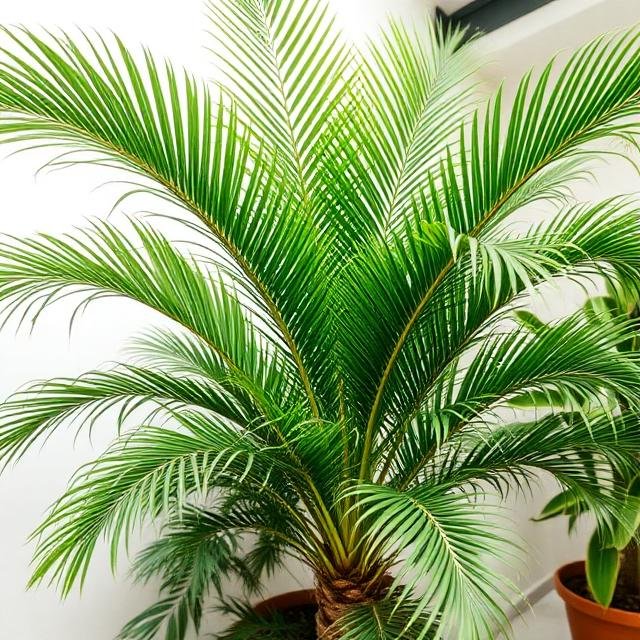
The Areca Palm, sometimes called the butterfly palm or golden cane palm, is the big, lush, feathery palm that instantly turns a room into something tropical. Its arching fronds grow in graceful clusters, and a mature areca makes a striking floor plant several feet tall. It's also non-toxic to cats and dogs, which adds to its appeal for family homes.
Native to Madagascar, the areca is a bit thirstier and more humidity-loving than the tough parlor palm, and it wants brighter light. It's not difficult, but it does ask for consistent moisture and decent humidity — get those right and it's a gorgeous, air-filling plant.
Caring for Your Areca Palm
Light. Bright, indirect light is ideal. The areca wants more light than the parlor palm and can handle a bit of gentle direct sun, but harsh midday sun can scorch the fronds. Good light keeps it full and its color a healthy golden-green.
Water. Keep the soil lightly and consistently moist during active growth — the areca doesn't like to dry out fully the way a succulent would — but never let it sit waterlogged. Aim for evenly moist, watering when the top inch begins to dry. Reduce watering in winter.
Humidity. Higher humidity is important; dry indoor air is the leading cause of brown, crispy frond tips. A humidifier makes a real difference, especially in the heating season.
Soil and potting. A well-draining potting mix with drainage. Arecas like to be somewhat snug and dislike root disturbance, so repot gently and only when needed.
Feeding. Feed during the growing season; arecas are moderately hungry and can show nutrient deficiencies (yellowing) if underfed, but avoid over-fertilizing.
Common Problems & Fixes
Brown frond tips. The most common areca complaint, usually from low humidity, inconsistent watering, or minerals and salts in tap water. Raise humidity, water consistently, and consider filtered water.
Yellowing fronds. Can be underwatering, a nutrient deficiency, or (if the soil is soggy) overwatering. Check the soil and feeding to tell which.
Spider mites. Arecas are prone to them in dry air. Inspect the fronds and keep humidity up.
Overall browning / decline. Often from the soil drying out too much, or from root rot at the other extreme.
Fronds leaning or sparse. Usually not enough light.
Propagating Your Areca Palm
Like the parlor palm, the Areca Palm is challenging to propagate at home, and honesty helps here. It's grown commercially from seed, which is slow and requires warmth and patience that's hard to replicate indoors.
Mature clumps can sometimes be divided, since arecas naturally grow in multi-stemmed clusters — carefully separating a clump with its own roots at repotting time can occasionally work. But the roots are sensitive and division often stresses the plant significantly, so it's not reliable for beginners.
For most people, the sensible route is to keep the plant healthy and buy another if you want more, rather than counting on propagation. It's a plant to enjoy as-is.