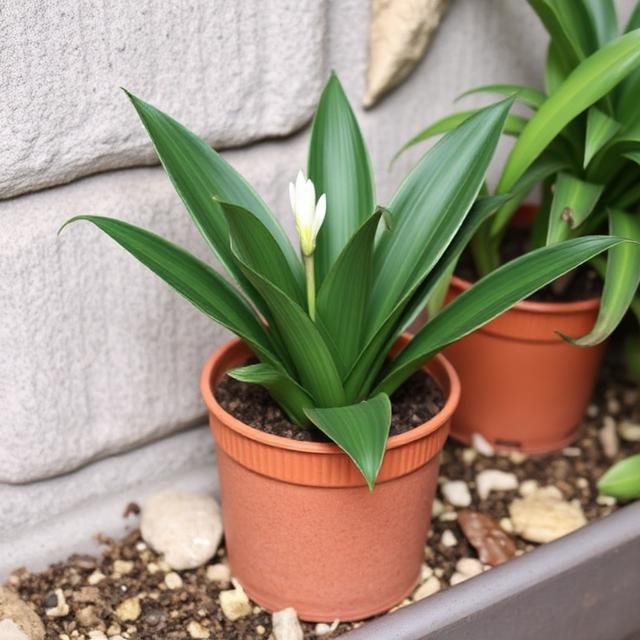
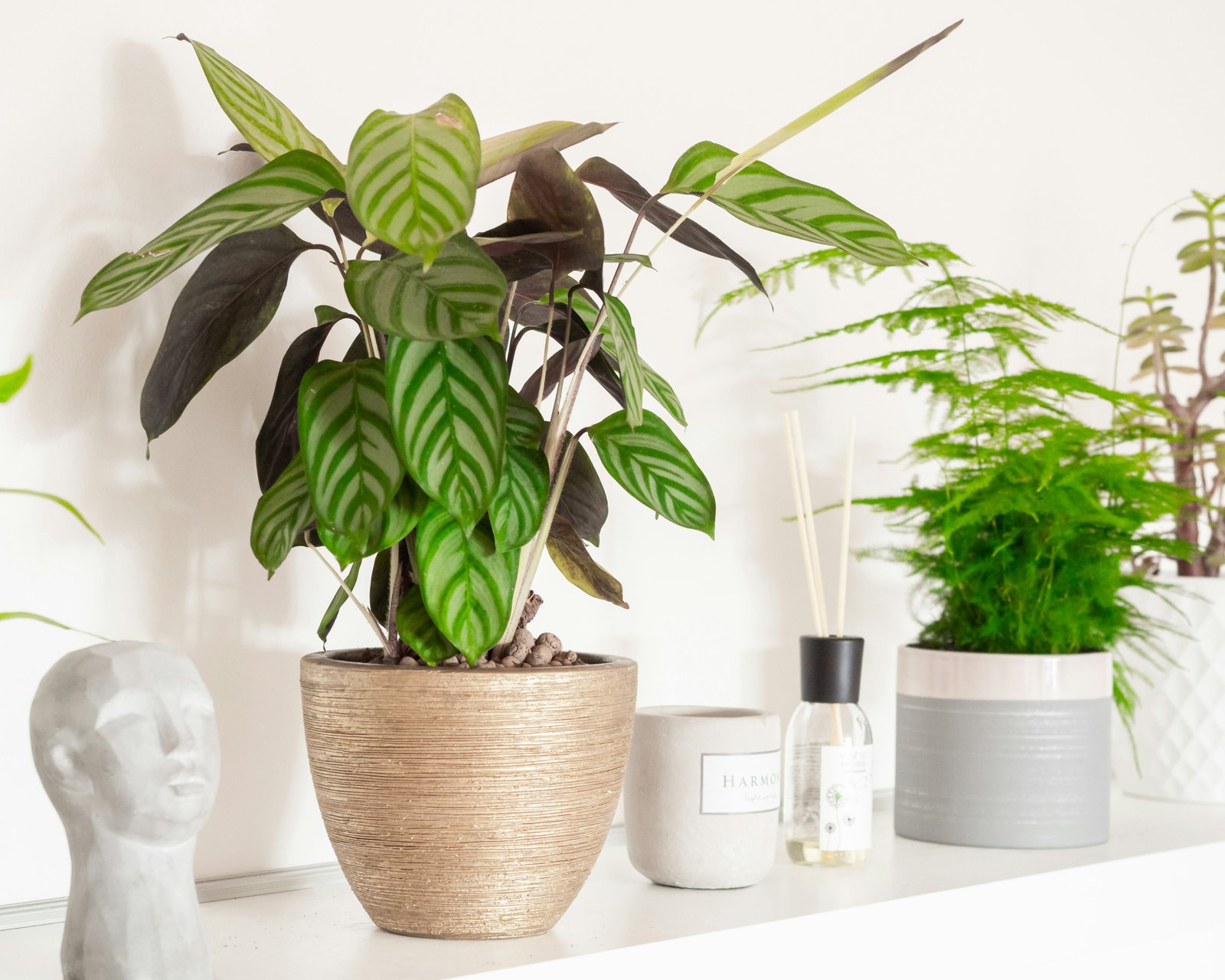
The Cast Iron Plant earns its name honestly — it's one of the toughest, most forgiving houseplants in existence, famous for surviving the kind of low light, irregular watering, and general neglect that would kill almost anything else. Its broad, arching, deep-green leaves bring a calm, classic look to a room, and it's safe around cats and dogs. If you want a green, leafy plant for a dim corner where nothing else will grow, this is very often the answer.
Native to the shaded forest floors of East Asia, the Aspidistra is adapted to low light and tough conditions. The trade-off for its incredible resilience is that it grows slowly — patience is the price of its toughness — but for a nearly indestructible, elegant plant, it's a small one.
Caring for Your Cast Iron Plant
Light. Low to medium indirect light, and genuinely happy in the low end — one of the best true low-light houseplants there is. It's perfect for dim corners and north-facing rooms. Avoid direct sun, which scorches the leaves. It won't grow fast in low light (it won't grow fast anywhere), but it will stay healthy.
Water. Water when the top 2 inches of soil dry out, then drain. The cast iron plant is drought-tolerant and far more forgiving of underwatering than overwatering. When unsure, wait — this is not a plant that needs fussing over, and soggy soil is the main thing that can actually harm it.
Humidity. Undemanding; average or even dry household air is fine.
Soil and potting. A standard well-draining potting mix with drainage. It's slow-growing and dislikes being disturbed, so it needs only infrequent repotting.
Feeding. Minimal. A light feeding once or twice during the growing season is plenty; it asks for very little.
Common Problems & Fixes
Brown leaf tips or patches. Often from minerals in tap water, over-fertilizing, or (occasionally) direct sun. Trim the brown parts and ease off feeding; try filtered water if it persists.
Yellowing leaves. Usually overwatering — one of the few things that troubles this otherwise bulletproof plant. Let the soil dry more.
Faded or bleached leaves. Too much direct sun; move it out of the direct rays.
Very slow or no growth. Entirely normal — the cast iron plant is naturally slow, especially in low light. It's not a sign of a problem.
Pests. Rarely bothered, though spider mites or scale can occasionally appear. Wiping the broad leaves keeps them clean and dust-free.
Propagating Your Cast Iron Plant
Cast iron plants are propagated by division, which is straightforward though — like everything with this plant — slow to fill back in.
The best time is when repotting. Remove the plant and separate the rhizome (the underground stem) into sections, making sure each division has several leaves and a portion of roots. A clean cut with a sharp knife may be needed.
Pot each division into well-draining mix, water it in, and place it in low to medium indirect light. Then simply be patient — divisions establish and grow slowly, in keeping with the plant's unhurried nature. There's no rushing an Aspidistra, but its toughness means divisions reliably take hold with minimal fuss.