⚠Toxic to cats & dogs.
Heartleaf Philodendron is poisonous if chewed or eaten —
keep it out of reach of pets and children.
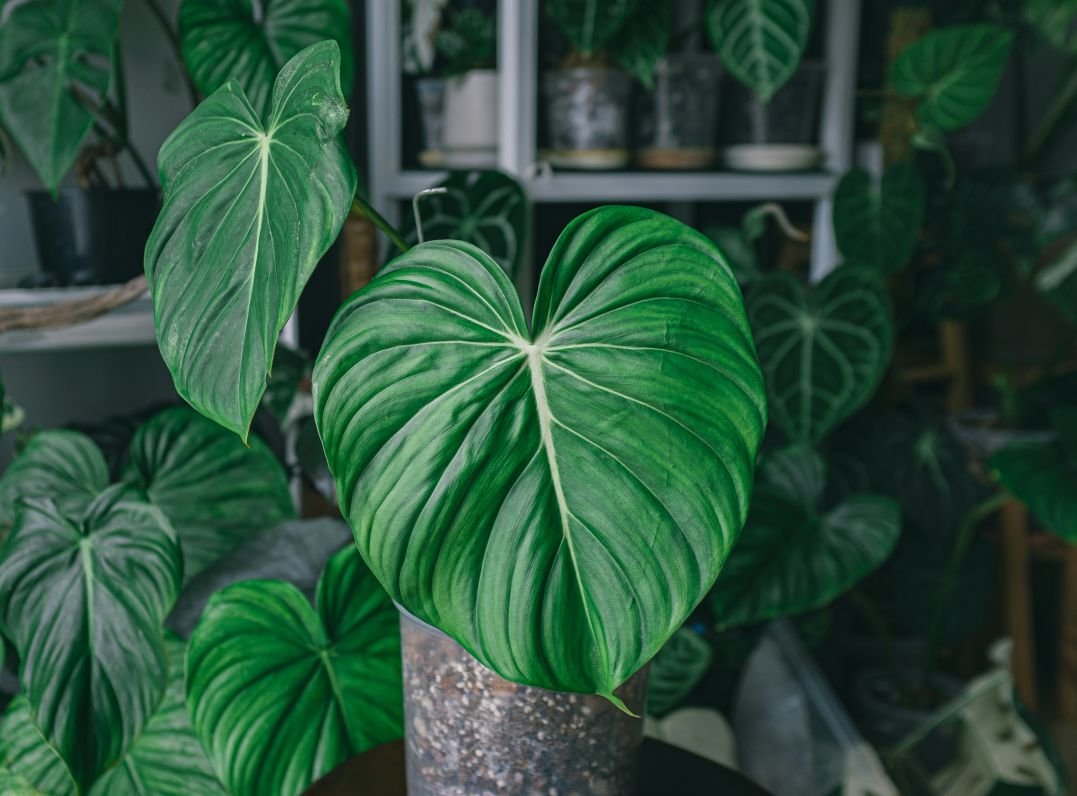
The Heartleaf Philodendron is, alongside pothos, one of the two great beginner trailing plants — and the two are so similar in appearance and easy temperament that people often mix them up. Its glossy, heart-shaped leaves cascade beautifully from shelves and hanging pots, and it grows quickly and forgivingly in a wide range of conditions.
Native to Central America and the Caribbean, it's adapted to trail and climb through shaded forest, which makes it wonderfully tolerant of the lower-light corners of a home. If you want a lush, green, low-effort trailing plant, this is a near-perfect choice.
Caring for Your Heartleaf Philodendron
Light. Very adaptable, from low light to bright indirect light. It grows fastest and fullest in bright, indirect light but stays healthy in dimmer spots, simply growing more slowly. Keep it out of harsh direct sun.
Water. Water when the top inch of soil dries out. The heartleaf is forgiving of occasional missed waterings and prefers slightly dry to constantly wet. Drooping leaves are a clear, quickly-reversible thirst signal.
Humidity. Tolerates average household humidity well, though like most tropicals it appreciates a bit more.
Soil and potting. A standard well-draining potting mix with drainage holes. It's not fussy. Pinch back leggy vines to encourage a fuller plant.
Feeding. A monthly balanced fertilizer in spring and summer keeps it vigorous, but it grows well with modest feeding.
A safety note. Philodendrons are toxic to cats and dogs if chewed or eaten, so place trailing vines out of pets' reach.
Common Problems & Fixes
Yellow leaves. Most often overwatering. Let the soil dry more between waterings and check drainage.
Brown leaf tips. Usually dry air or underwatering, sometimes mineral buildup from tap water.
Leggy vines with sparse leaves. Too little light, or a plant due for a trim. Pinching back the vines encourages bushier growth and can be used to propagate.
Pale or small new leaves. Often insufficient light or nutrients.
Pests. Generally hardy; occasionally aphids, mealybugs, or spider mites, especially in dry air.
Propagating Your Heartleaf Philodendron
Like pothos, the heartleaf philodendron is extremely easy to propagate, making it a great plant to share.
Snip a vine just below a node — the small bump where leaves and roots emerge — leaving a few leaves on each cutting. Place the cuttings in water with the nodes submerged, set them in bright indirect light, and change the water every few days. Roots usually appear within a week or two.
Once the roots are an inch or two long, pot the cuttings in moist soil, planting several together for a fuller result. You can also root cuttings directly in soil by tucking a node into the mix and keeping it lightly moist.