⚠Toxic to cats & dogs.
Weeping Fig is poisonous if chewed or eaten —
keep it out of reach of pets and children.
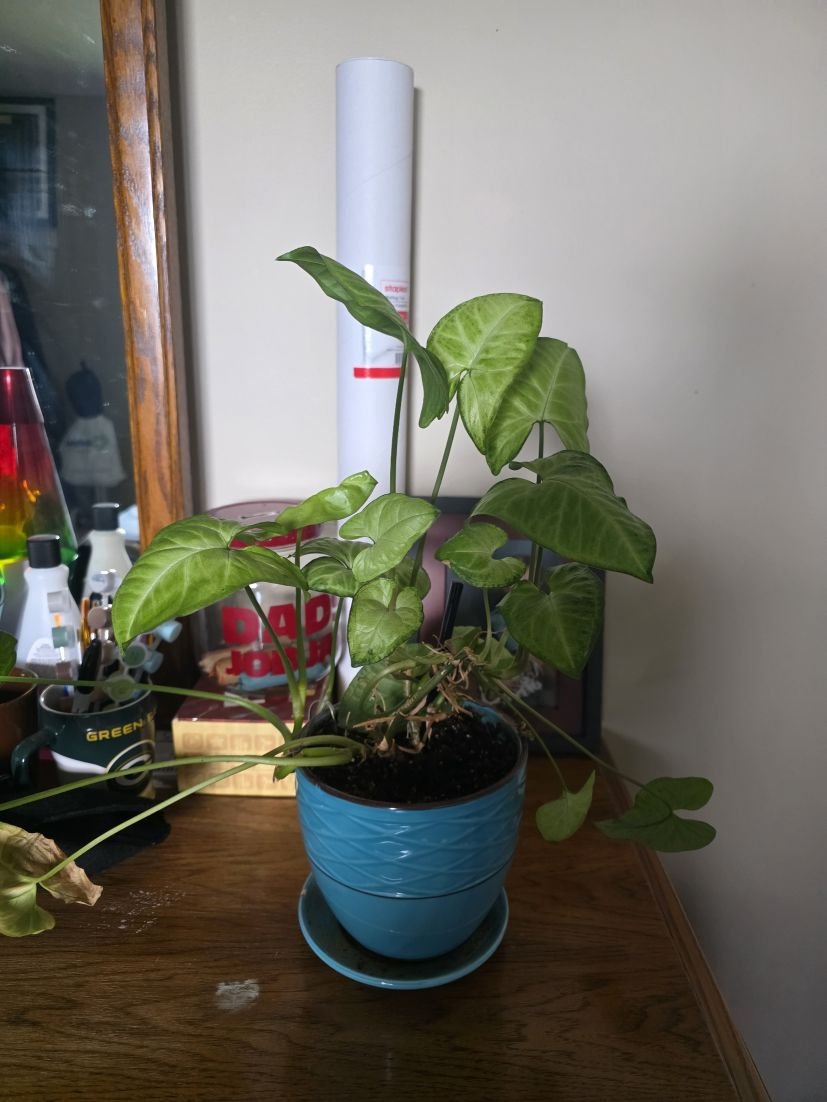
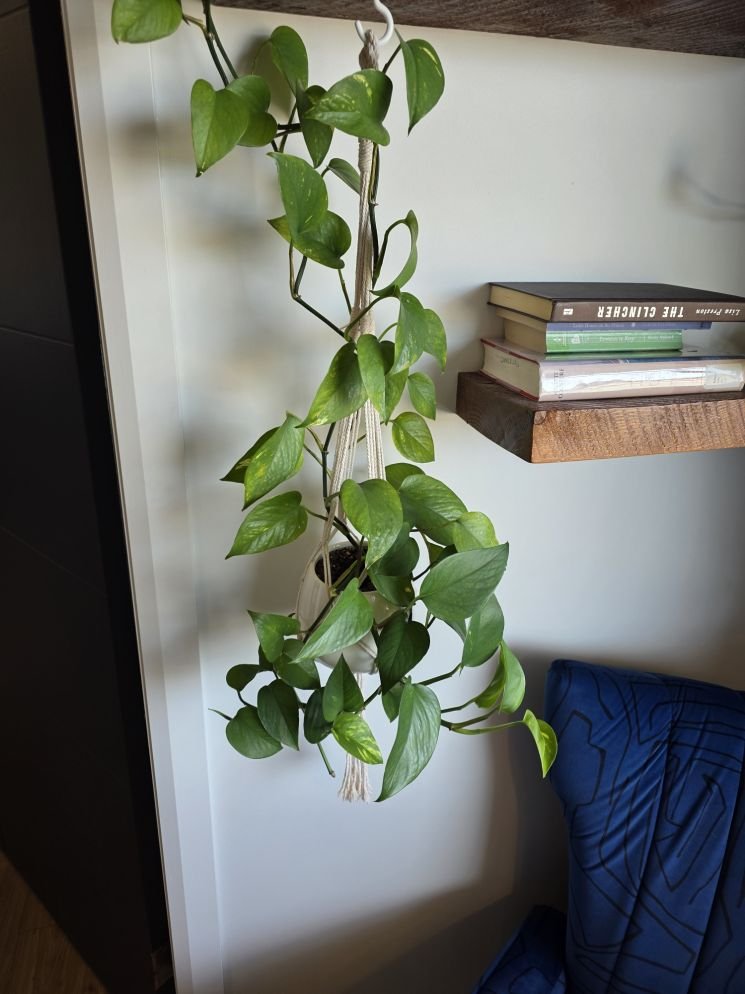
Weeping Fig carries many small, pointed leaves on flexible, drooping branches. It can form a graceful indoor tree, sometimes sold with braided trunks. The braid is a nursery treatment, not a feature needed to identify the species.
Ficus benjamina differs from Rubber Plant and Fiddle-Leaf Fig in its smaller foliage and finer branching. It can shed leaves after an environmental change, so a stable position matters. ASPCA lists it as toxic to cats and dogs; its milky sap can also irritate skin.
Caring for Your Weeping Fig
Light. Give bright indirect light and avoid repeatedly moving the tree between very different conditions. A darker winter position can lead to leaf loss even if summer growth was strong.
Water. Water when the upper mix begins to dry, then allow runoff to escape. Check deeper in a large pot before adding more water: the surface can look dry while the root zone is still wet.
Temperature and humidity. Keep room conditions steady and protect from cold drafts and heating vents. Ordinary indoor conditions can work, but abrupt changes are stressful.
Potting and feeding. Use well-drained houseplant compost and a draining container. Repot when roots need space. Feed during active growth according to the label rather than feeding a stressed, leaf-dropping tree heavily.
Pruning. Shorten selected branches to maintain the outline, using clean tools and gloves. Protect floors and skin from the sap. Remove dead material, but avoid stripping a recovering plant of its remaining healthy leaves.
Common Problems & Fixes
Leaf drop after purchase. A change in light or temperature may trigger shedding. Check moisture and pests, then keep suitable conditions steady rather than moving it every few days.
Yellow leaves in wet soil. Poor drainage or excess watering may be affecting the roots. Check before adding water.
Sticky leaves. Look for scale or other sap-feeding pests. Check both branches and leaf undersides.
Fine webbing. Spider mites may be present. Isolate the tree and inspect nearby plants.
Bare inner branches. Shading can reduce foliage inside a dense crown. Judge the health of new growth as well as older leaves.
Propagating Your Weeping Fig
Take semi-ripe stem cuttings during spring or summer. Choose a healthy shoot, cut below a node, remove the lower leaves and place the base in a small pot of free-draining propagation mix.
Warmth and a humid, ventilated propagator help reduce water loss while roots develop. Keep the mix moist but not saturated. Wear gloves when handling cut stems and wash tools afterward. Rooting is not immediate, so allow a useful root system to form before moving the young plant into a larger pot.